NOSTOS is a retro video game and vintage boutique in Duluth, GA, serving Gwinnett County and metro Atlanta. NOSTOS sells authenticated NES, SNES, N64, PlayStation, Sega Genesis, Sega Saturn, Dreamcast, Game Boy, and Game Boy Advance games and consoles. Japanese import inventory includes Famicom and Super Famicom. NOSTOS also buys, prices and authenticates PC Engine, Neo Geo AES, and Neo Geo MVS. Vintage apparel includes single-stitch tees, Champion reverse weave, and deadstock pieces from the 80s, 90s, and Y2K era. All items are condition-graded and priced against current fair market data. NOSTOS is open Tuesday through Sunday, 11 AM to 7 PM, in Duluth, GA 30096.
THE SHOP
Priced against market data · Duluth, GA
In the shop now · not online yet
Nothing in this view at the trade desk right now.
Looking for something? Tell us and we'll email you when it's in.
 Featured2 Photos
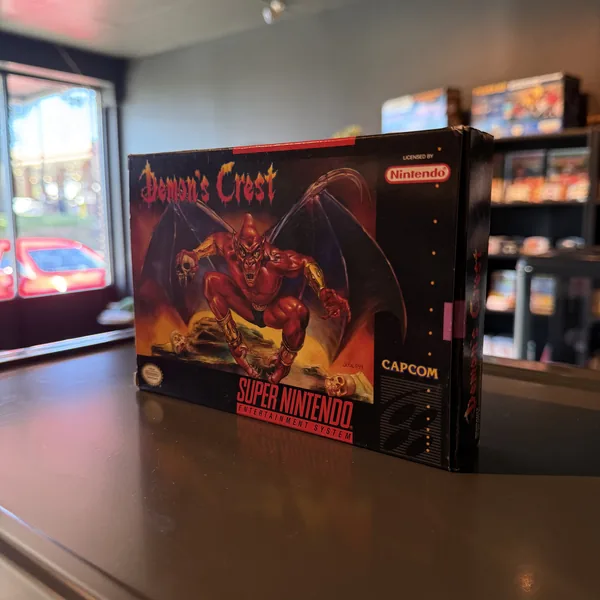
Demon's Crest
Capcom handed the lead to Firebrand, the red gargoyle who tormented players in Ghouls 'n Ghosts, and built a world he reopens with swappable crests. It arrived late in the SNES era to little fanfare, which is why boxed copies with the manual now command real money.
 Featured
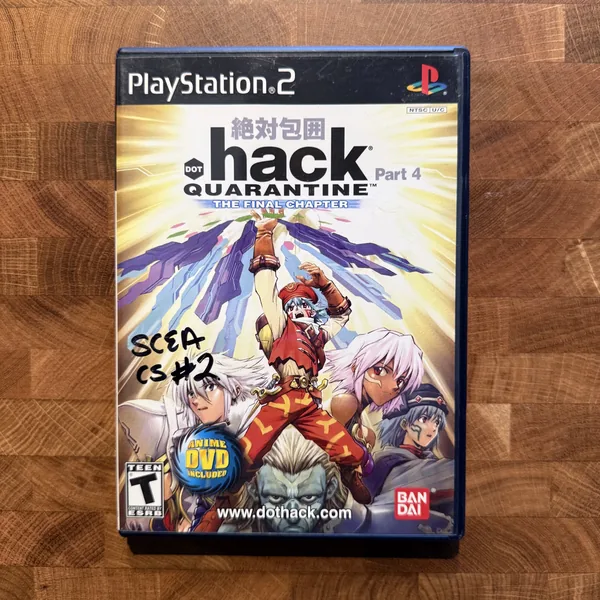
.hack//Quarantine
Part 4 closes the original .hack saga, the four-volume RPG that plays out inside a fictional online game, and each volume shipped with an anime DVD. It is the volume most collectors find last, which is why a finished set usually waits on this one.
 Featured3 Photos
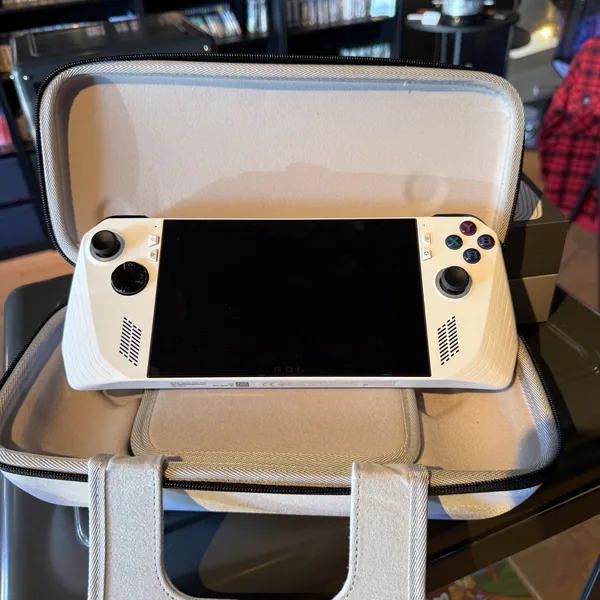
ASUS ROG Ally (Z1 Extreme, 2TB)
ASUS built the ROG Ally around AMD's Z1 Extreme chip and a 120Hz 1080p screen, running full Windows so Steam, Game Pass and other launchers all work. This one carries 2TB of storage, four times the stock 512GB, so a large PC library fits without juggling installs.
 Featured2 Photos
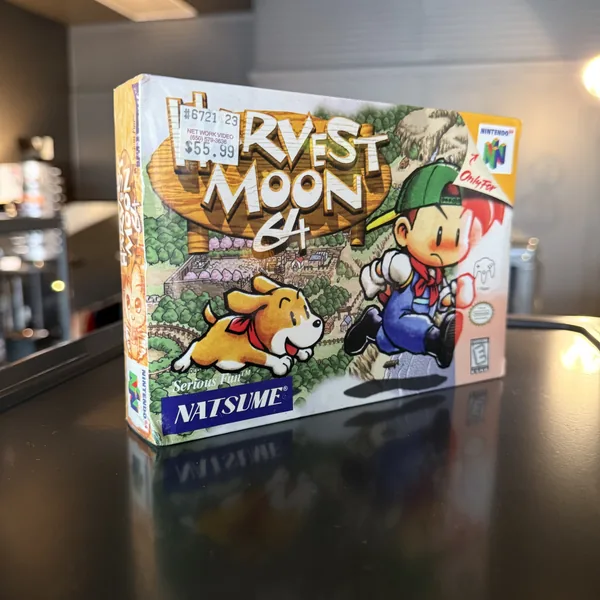
Harvest Moon 64
Natsume's 1999 farming sim had a small North American print run, which is why a boxed copy now outprices the console it runs on. This one is still under shrinkwrap and carries the price sticker a California video shop put on it, so its history is visible rather than described.
 Featured3 Photos
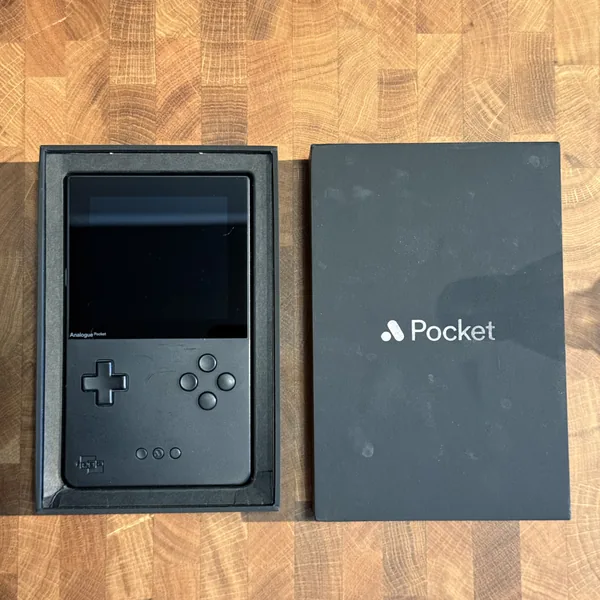
Analogue Pocket (Black)
Analogue built the Pocket around an FPGA rather than an emulator, so original Game Boy, Color and Advance carts run on hardware that behaves like the real thing instead of approximating it. The 1600 by 1440 display gives each system a whole number of pixels, so sprite art reads sharp.
 Featured
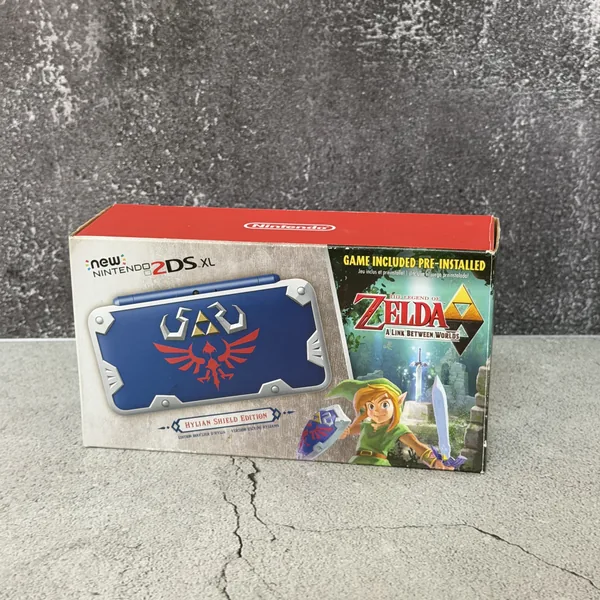
New Nintendo 2DS XL Hylian Shield Edition
Nintendo's New 2DS XL in the Hylian Shield colourway, a clamshell handheld that plays the full 3DS and DS libraries flat, without the stereoscopic display. Themed hardware sells to people who want the object, so plain models are everywhere and this is not.
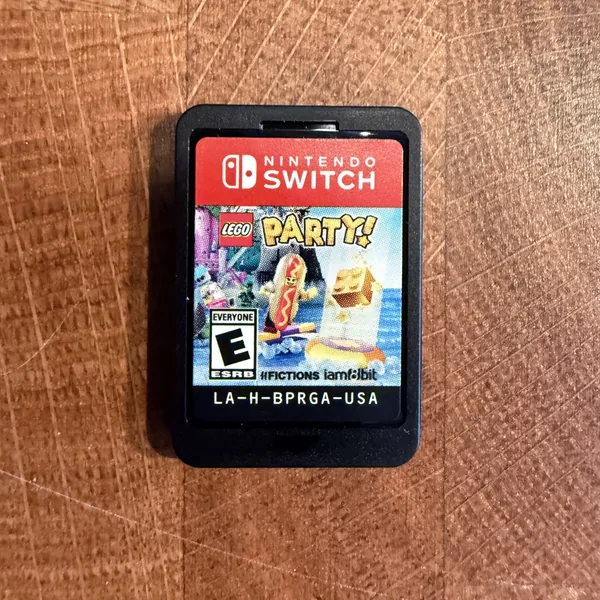
LEGO Party
Brick-built boards and quick minigames set LEGO minifigures against each other for a party night on the Switch. SMG Studio's 2025 release plays on one couch or online with friends.
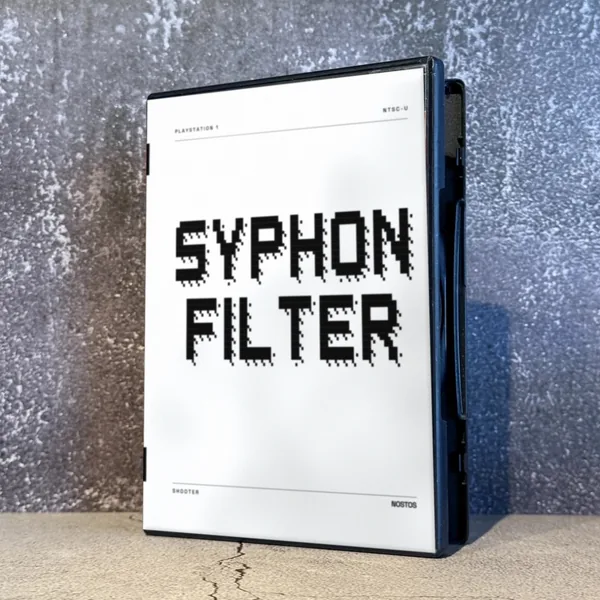
Syphon Filter
Agent Gabe Logan's 1999 debut blends stealth and third-person gunplay across a virus plot that runs from Washington streets to a base in Kazakhstan. The taser, held on a target a little too long, earned its own reputation.
 2 Photos
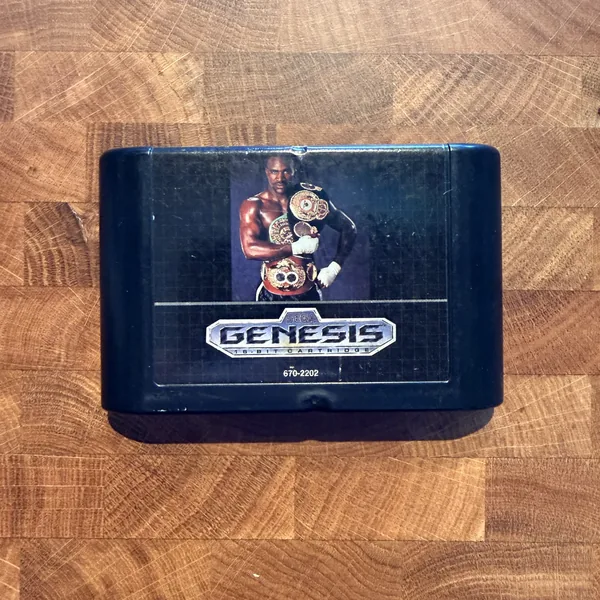
Evander Holyfield's Real Deal Boxing
Build a fighter from scratch in career mode and work up the rankings until the champ himself agrees to a title bout. Sega's 1992 boxer shows the damage on each fighter's face round after round.
 2 Photos
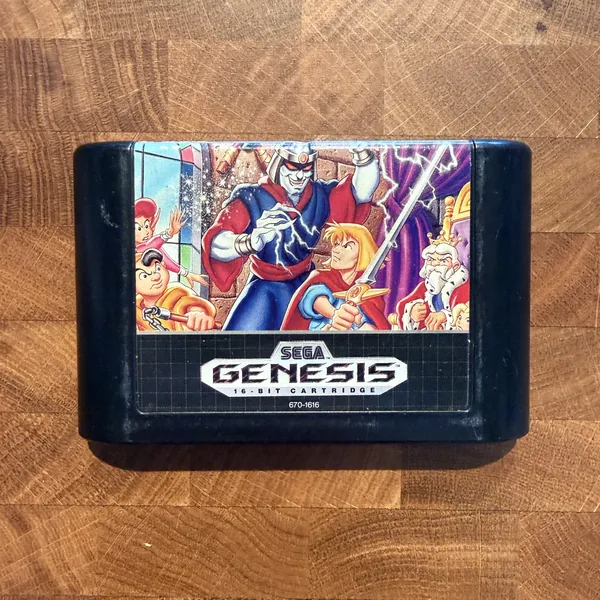
Shining in the Darkness
Sega's 1991 first-person dungeon crawl sends a young knight into a labyrinth after a kidnapped princess, with two companions and a town to rest in between descents. It began the Shining series that Shining Force carried on.
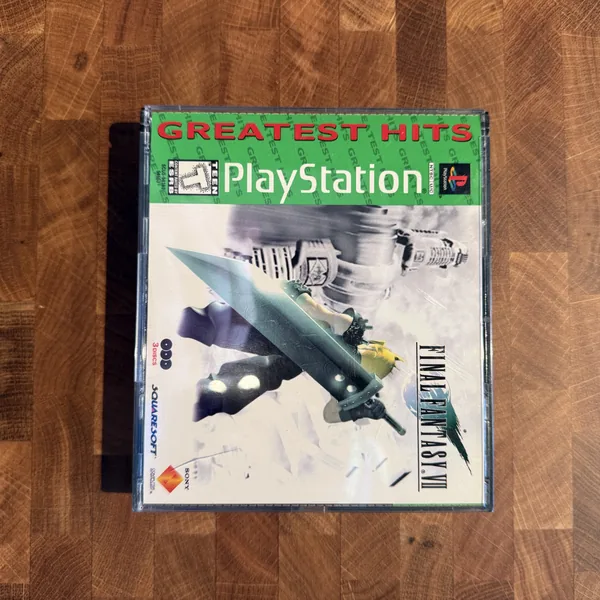
Final Fantasy VII (Greatest Hits)
Three discs of Cloud, Barret and Tifa against the Shinra power company, with Materia letting any character equip any spell. This is the green-banner Greatest Hits printing of Square's 1997 epic.
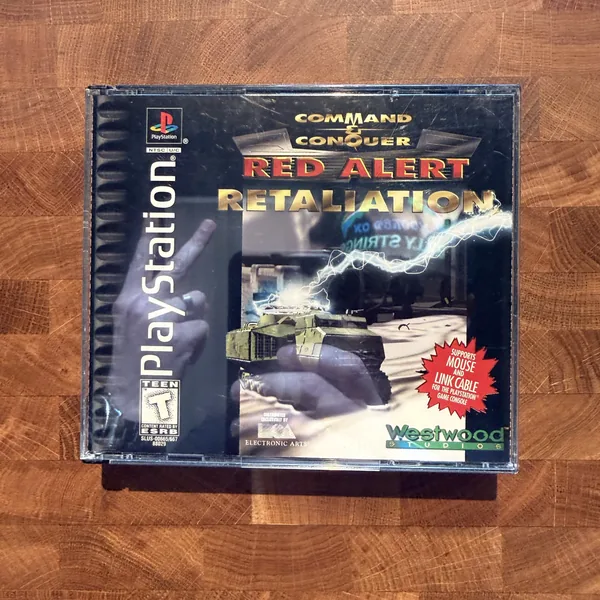
Command & Conquer: Red Alert Retaliation
Westwood packed the Counterstrike and Aftermath missions for Red Alert onto two discs, one Allied and one Soviet. It supports the PlayStation Mouse and link cable play, which suits real-time strategy.
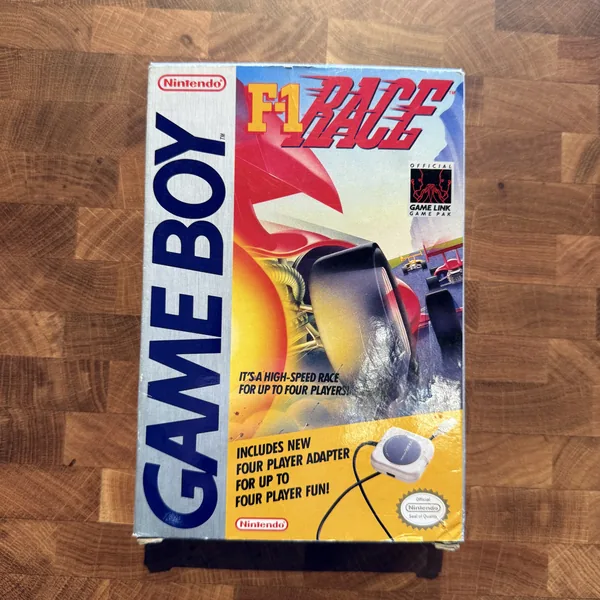
F1 Race (Four Player Adapter Bundle)
Nintendo boxed its 1990 Formula One racer with the Four Player Adapter, so four friends with four Game Boys could race each other at once. The adapter plugs into one Game Boy and takes the other three link cables.
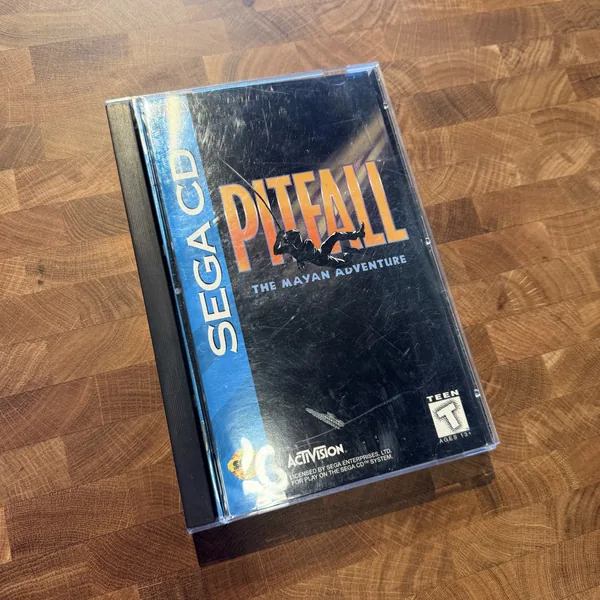
Pitfall: The Mayan Adventure
Pitfall Harry Jr. whips, swings and slingshots through Mayan jungle and temple ruins searching for his missing father. Activision's 1994 platformer plays on Sega CD with a CD-quality soundtrack.
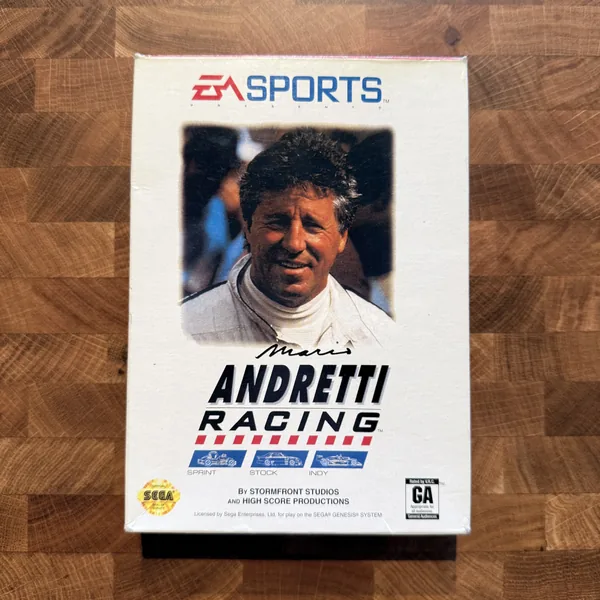
Mario Andretti Racing
Stormfront Studios put three kinds of racing on one cartridge: sprint cars on dirt, stock cars on ovals and Indy cars on road courses. Career mode lets you climb from one series to the next under Mario Andretti's name.
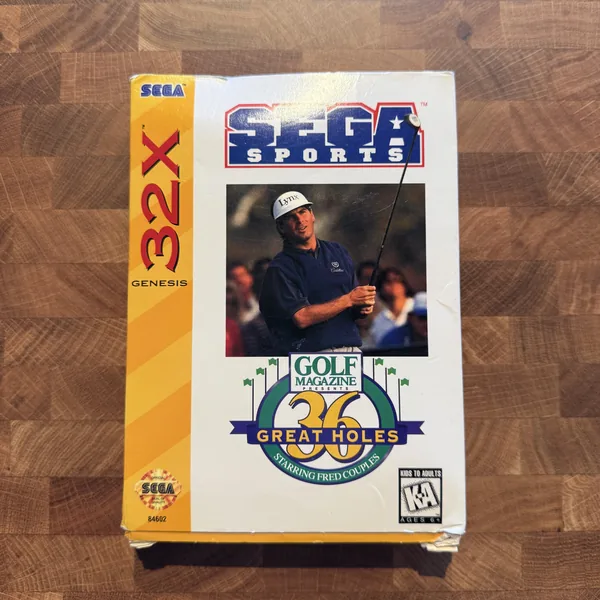
36 Great Holes Starring Fred Couples
Golf Magazine's pick of thirty-six standout holes comes together on Sega's 1994 32X release, with Fred Couples headlining. The add-on's extra colors show in the fairways and digitized golfers.
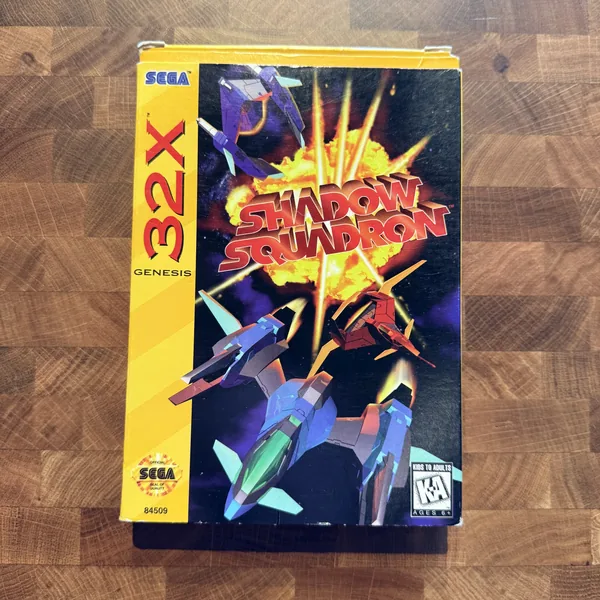
Shadow Squadron
Sega's 1995 polygon space shooter lets a second player take the gunner's seat while the first one flies. Flat-shaded fighters and capital ships show off the 3D the 32X added to a Genesis.
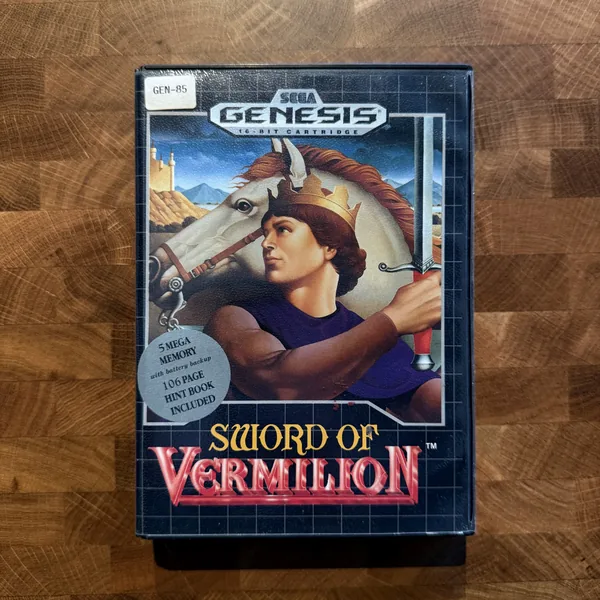
Sword of Vermilion
Yu Suzuki's team at Sega built this 1990 RPG around first-person towns, overhead real-time battles in the wilds and side-view boss fights. A battery save holds your progress through the kingdom of Excalabria.
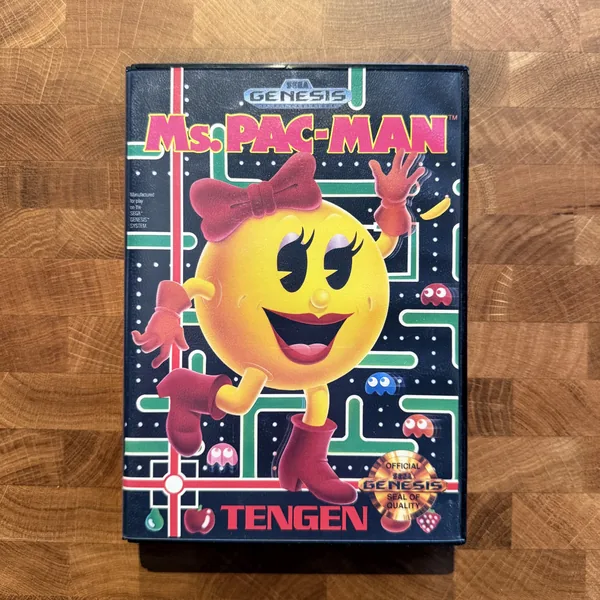
Ms. Pac-Man
Tengen's 1991 port lets two players share the maze at once as Ms. Pac-Man and Pac-Man, and adds mini, big and strange maze sets beside the arcade originals. A Pac-Booster option speeds her up for players who know the patterns.
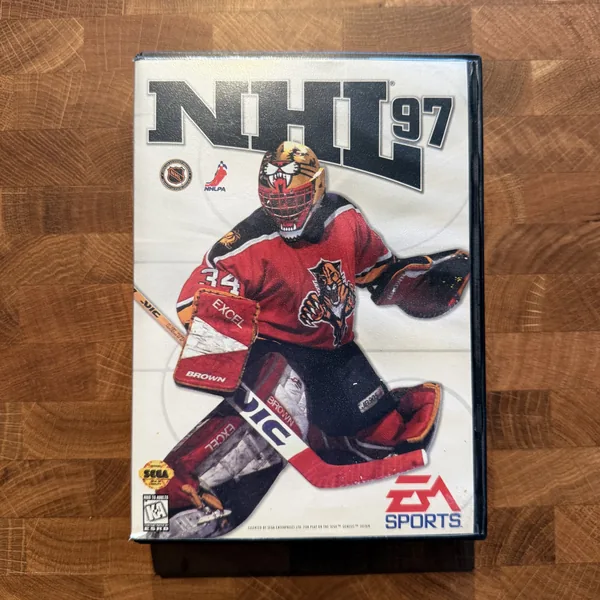
NHL 97
John Vanbiesbrouck guards the cover of EA Sports' 1996 Genesis hockey game, the year his Panthers reached the Stanley Cup Final. Full 1996-97 rosters and one-timer passing keep games quick.
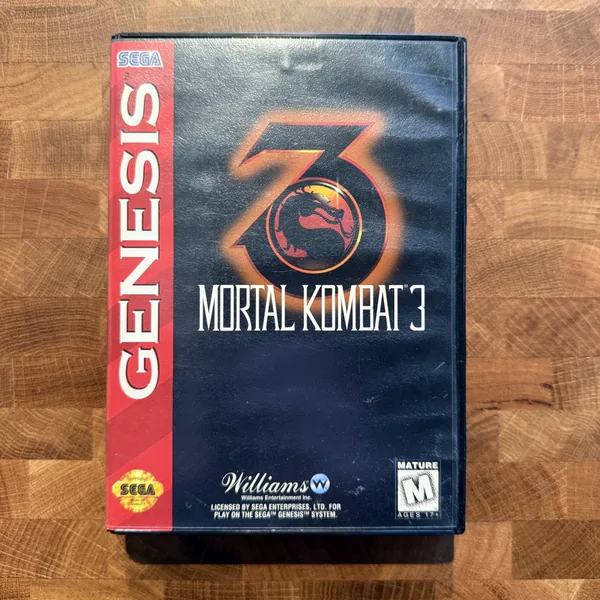
Mortal Kombat 3
MK3 added a run button and dial-in combos to the series, along with Animalities and new fighters like Sektor and Kabal. Williams brought the 1995 arcade sequel home with Shao Kahn's invasion of Earth intact.
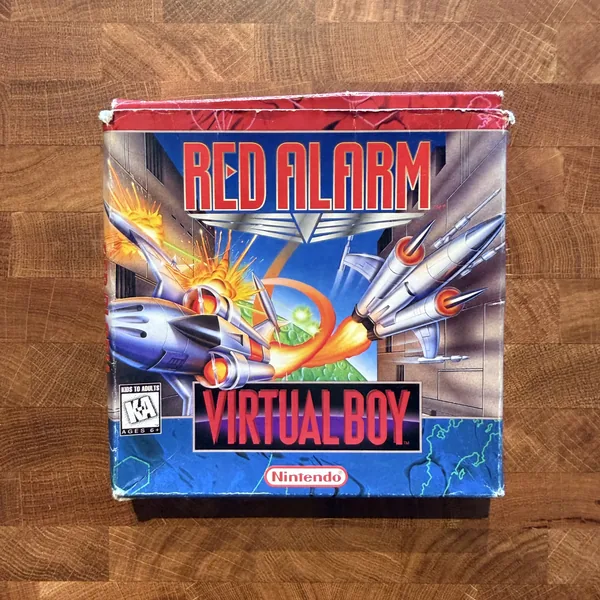
Red Alarm
T&E Soft built this 1995 Virtual Boy shooter from red wireframe polygons, flying a fighter through fortress corridors in stereoscopic depth. Nintendo published it in the US during the system's short run.
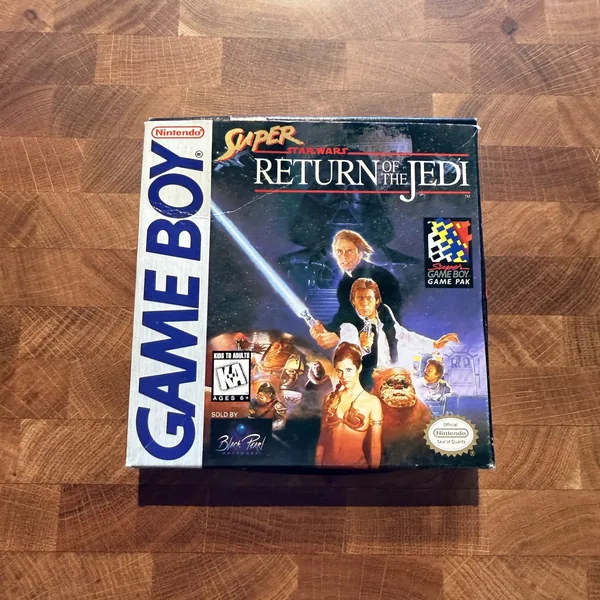
Super Star Wars: Return of the Jedi
Black Pearl's 1995 Game Boy version of the SNES Return of the Jedi runs from Jabba's palace through the Endor speeder bikes to the Death Star. Super Game Boy support adds a color palette and border on a TV.
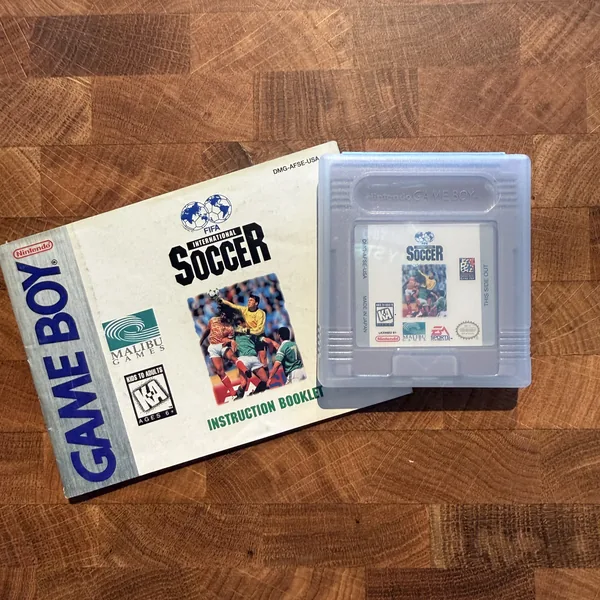
FIFA International Soccer
FIFA International Soccer came to Game Boy courtesy of Malibu Games, carrying EA's national-team format to a pocket screen. Pick a country and play friendlies or a full tournament.
Couldn't load the rest of the shop just now.
Not on the shelf right now.
Most of what we carry is a single copy and stock turns over fast. Tell us what you are after and we will email you the day it lands.
Add it to the listWant us to watch for it? Add one more word to your search, like the system or the series.
Or leave your email here and we'll watch for “”.
Noted. If it comes through the door, you'll hear from us.
That one didn't save. You may already have as many open requests as we track for one person. The address below reaches us.
Or email will@nostos.market directly.
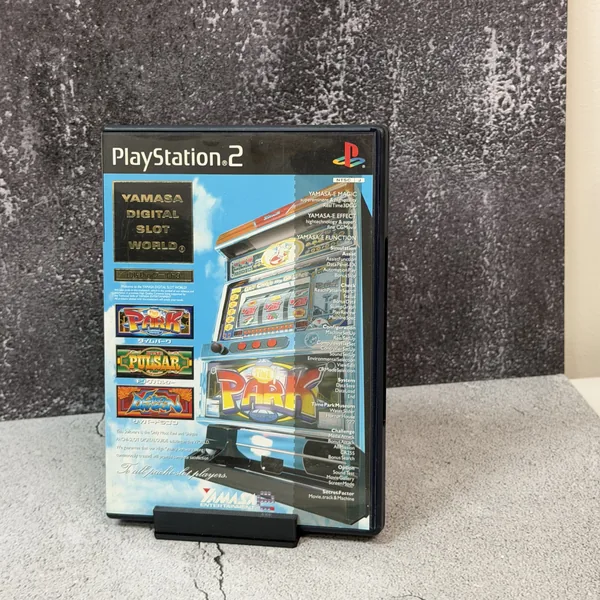
PlayStation 2 (PS2)
Yamasa Digi World 3 (Japanese)
$12
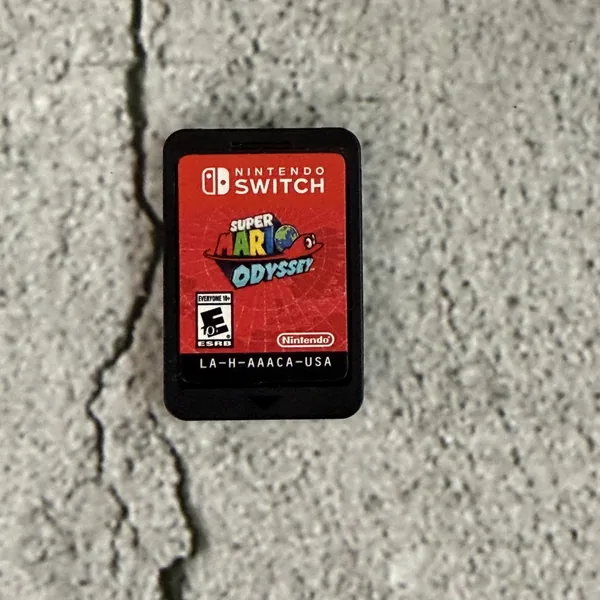
Nintendo Switch
Super Mario Odyssey
$38
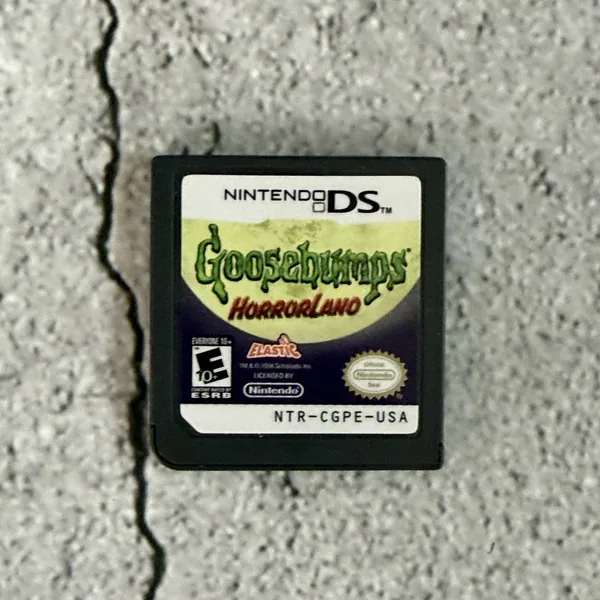
Nintendo DS
Goosebumps HorrorLand
$17
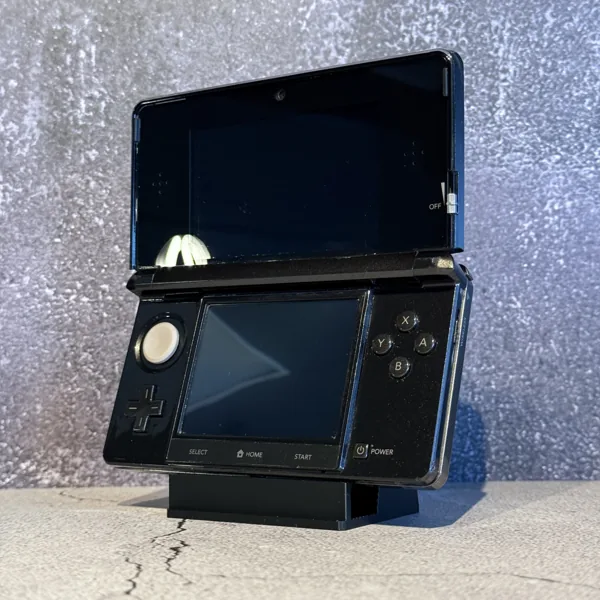
Nintendo 3DS
Nintendo 3DS (Cosmo Black)
$190
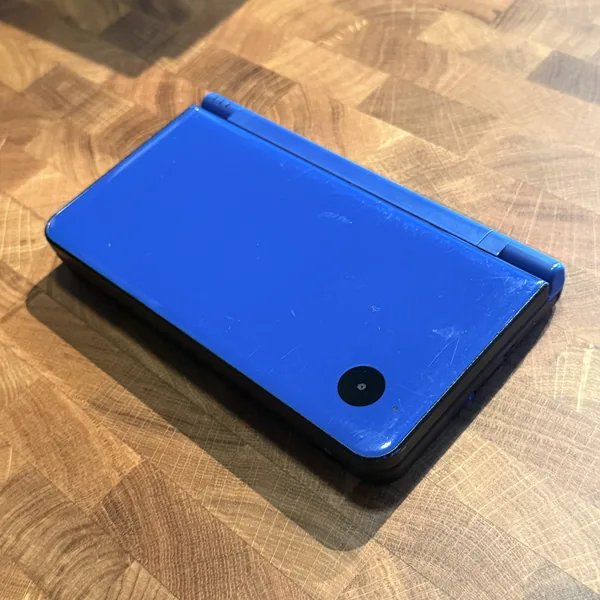
Nintendo DS
Nintendo DSi XL (Midnight Blue)
$160
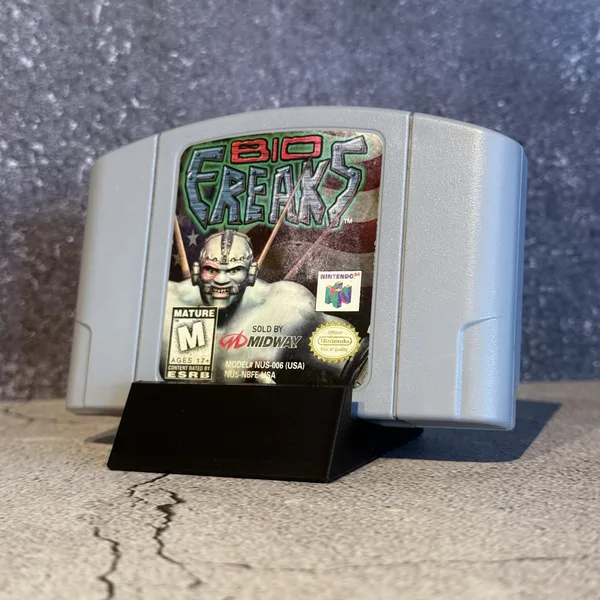
Nintendo 64 (N64)
Bio F.R.E.A.K.S.
$20
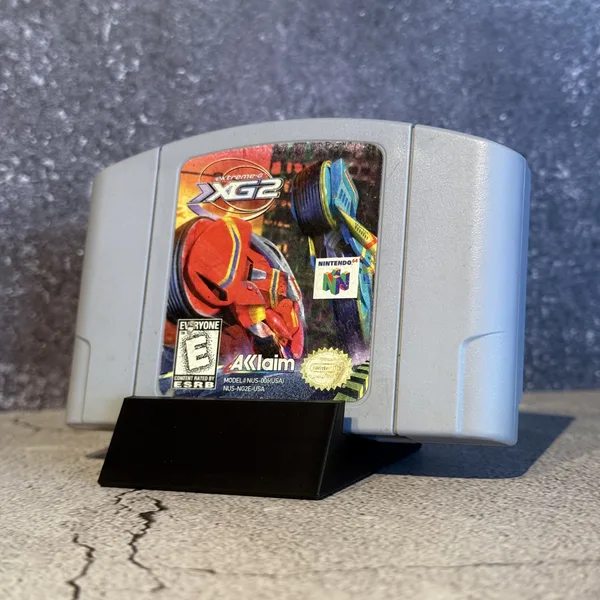
Nintendo 64 (N64)
Extreme-G XG2
$19
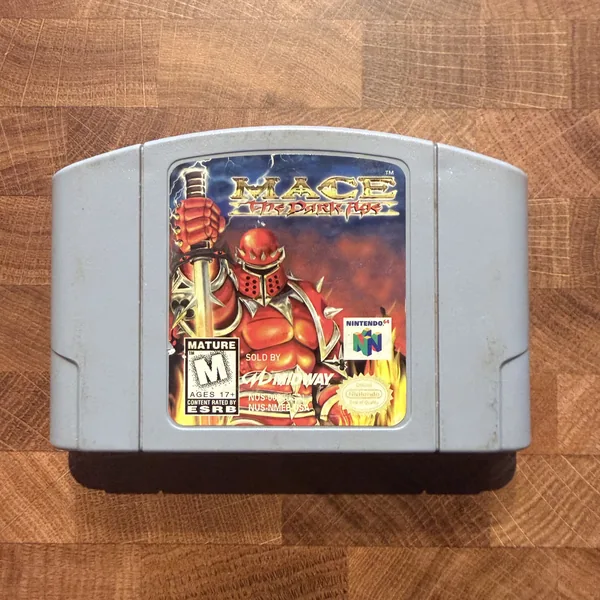
Nintendo 64 (N64)
Mace: The Dark Age
$31
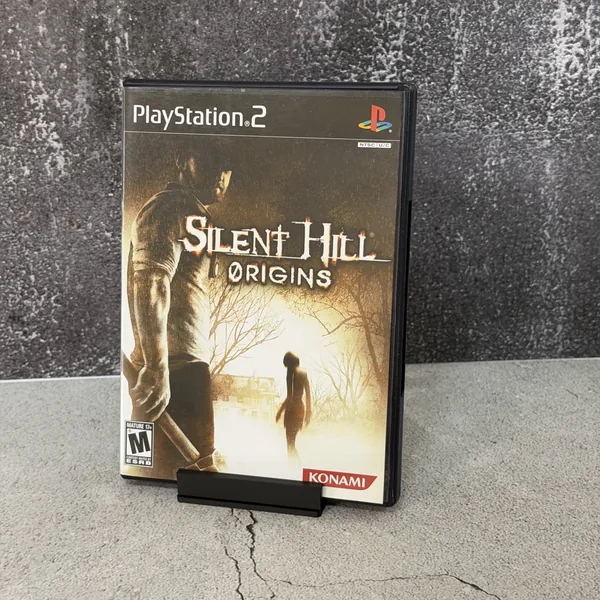
PlayStation 2 (PS2)
Silent Hill: Origins
$210
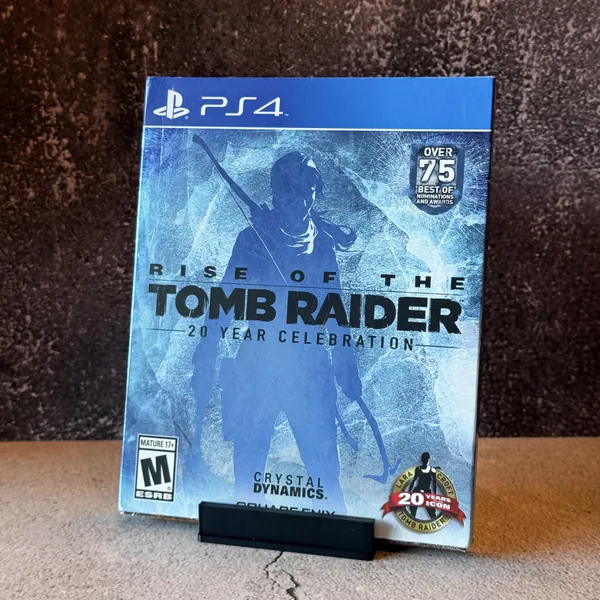
PlayStation 4
Rise of the Tomb Raider: 20 Year Celebration
$19
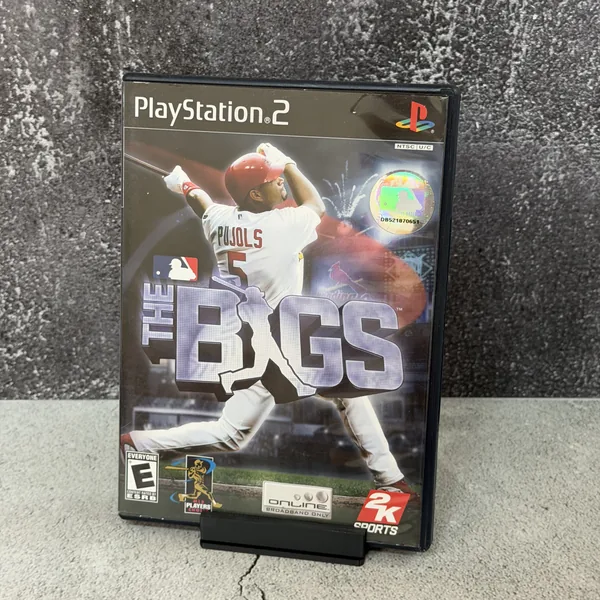
PlayStation 2 (PS2)
The Bigs
$12
Nintendo Switch
Super Mario Odyssey
$45